If you’re wondering whether you can have both borderline personality disorder and autism, the answer…

Is Tourette’s on the Autism Spectrum? Symptoms and Treatments Unveiled
When seeking an answer to the question ‘Is Tourette’s on the autism spectrum?’, it is important to understand that Tourette Syndrome (TS) and Autism Spectrum Disorder (ASD) are distinct conditions. TS is characterised by motor and vocal tics, whereas ASD affects social interaction and communication. However, these conditions can co-occur, resulting in some overlapping symptoms. This article explores the differences, similarities, overlapping symptoms, and treatment options for TS and ASD, including the question of whether Tourette’s is on the autism spectrum.
Key Takeaways
- Tourette Syndrome and Autism Spectrum Disorder are separate neurological conditions with unique symptoms, although they can co-occur in approximately seven per cent of cases, which can complicate diagnosis and management.
- Both conditions present specific challenges, including difficulties in social interactions, communication, and sensory sensitivities, requiring tailored treatment strategies and supportive interventions.
- Ongoing research into the genetic and neurological factors of TS and ASD suggests potential commonalities, aiming to improve treatment options and enhance quality of life for affected individuals.
Understanding Tourette Syndrome and Autism Spectrum Disorder

Tourette Syndrome and Autism Spectrum Disorder are distinct neurological disorders, each characterised by unique symptoms and challenges. Tourette Syndrome is a neurodevelopmental condition marked by motor and vocal tics, which are rapid, repetitive movements and sounds.
Autism Spectrum Disorder is a complex developmental disorder affecting social interaction, communication, and behaviour. Research into both conditions continues, focusing on the genetic and environmental influences that contribute to their development.
Recognising that TS and ASD are separate conditions and understanding their unique characteristics and challenges can lead to better management and support for those affected.
What is Tourette Syndrome?
Tourette Syndrome involves motor and vocal tics, which are sudden, repetitive movements and sounds. Tics typically begin between the ages of two and fourteen, with an average onset around six years old. Common motor tics include:
- Eye blinking
- Head jerking
- Shoulder shrugging
- Facial grimacing
Vocal tics may include:
- Throat clearing
- Grunting
- Repetitive speech patterns
The severity of these tics can vary widely among individuals, ranging from mild to severe, and they can evolve in both intensity and complexity over time. Often, Tourette Syndrome coexists with other conditions such as attention deficit hyperactivity disorder and obsessive compulsive disorder, complicating the overall clinical picture.
Genetic and environmental factors are believed to play a role in the development of this syndrome.
What is Autism Spectrum Disorder?
Autism Spectrum Disorder is a developmental condition affecting social interaction, communication, and behaviour. It often presents with difficulties in social interactions, communication challenges, repetitive behaviours, and restricted interests. Children with ASD may also experience delays in speech development and difficulties with nonverbal communication, such as making eye contact.
Signs of autism symptoms typically become apparent by the age of two or three, although some individuals may not receive a diagnosis until later in childhood. The factors contributing to ASD include a combination of genetic, environmental, and neurological influences. Additionally, many individuals with ASD experience sensory sensitivities, which can significantly impact their daily lives.
Differentiating Tourette Syndrome from Autism Spectrum Disorder
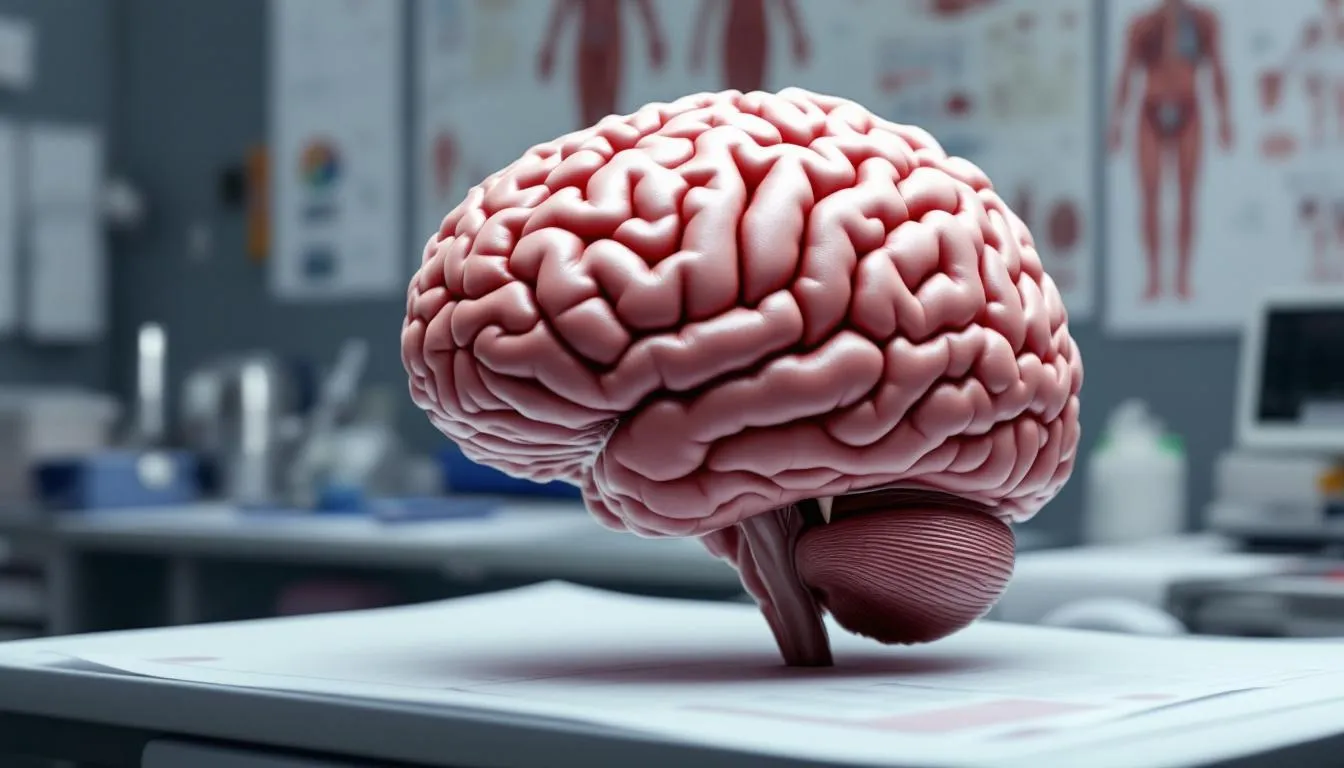
Both Tourette Syndrome and Autism Spectrum Disorder are neurodevelopmental conditions, but they differ in characteristics, symptoms, and diagnostic criteria. Tourette Syndrome is marked by motor and vocal tics, which are not typically present in Autism Spectrum Disorder. These differences necessitate distinct approaches to diagnosis and treatment.
However, diagnosing both conditions can be challenging due to overlapping symptoms and the potential for co-occurrence. Approximately seven per cent of individuals with Autism Spectrum Disorder also exhibit symptoms of Tourette Syndrome. This overlap can complicate diagnosis, highlighting the importance of understanding the unique needs of individuals with either or both conditions.
Key Differences Between Tourette Syndrome and Autism Spectrum Disorder
Tourette Syndrome involves sudden, involuntary motor and vocal tics – repetitive movements or sounds that cannot be controlled. Autism Spectrum Disorder is characterised by difficulties in social communication and restricted interests. While both conditions can involve repetitive behaviours, the nature and motivation behind these behaviours differ significantly.
For example, individuals with TS may have motor tics such as eye blinking or shoulder shrugging, and vocal tics such as throat clearing or grunting. In contrast, individuals with ASD might engage in repetitive behaviours like lining up toys or repeating phrases, driven by different neurological and psychological mechanisms.
Overlapping Symptoms and Co-occurrence
Tourette Syndrome and Autism Spectrum Disorder can co-occur, adding complexity to diagnosis and management. Key points include:
- Approximately seven per cent of individuals with ASD also have TS, demonstrating the potential for these conditions to overlap.
- Co-occurrence can result in overlapping symptoms, such as repetitive movements.
- This overlap complicates differentiation between the two disorders.
Individuals with Tourette Syndrome may exhibit features of autism, and vice versa, necessitating consideration of the full spectrum of symptoms for accurate diagnosis and treatment. Obsessive compulsive disorder and attention deficit hyperactivity disorder are commonly co-occurring conditions with Tourette Syndrome, further complicating the clinical picture and requiring a comprehensive diagnostic and treatment approach.
Shared Characteristics and Challenges

Living with Tourette Syndrome or Autism Spectrum Disorder presents unique challenges that can impact quality of life. Both conditions can lead to difficulties in social interactions, academic performance, and daily functioning, particularly when there is an underlying psychiatric impairment. Stress or anxiety disorders can worsen symptoms, making management more challenging.
Access to resources and support networks is crucial for individuals with these conditions. Professional help, supportive organisations, and advocacy groups offer essential support, guidance, understanding, and a sense of belonging. Connecting with community groups and support networks can significantly aid in managing these challenges.
Sensory Sensitivities
Individuals with Tourette Syndrome and those with Autism Spectrum Disorder often face sensory sensitivities. These sensitivities can lead to avoidance of certain environments and activities, impacting social interactions and overall functioning. For instance, loud, crowded places might overwhelm someone with sensory sensitivities, causing significant distress.
Managing sensory sensitivities effectively is crucial for improving daily functioning. Strategies may include:
- Sensory integration techniques
- Creating a calm environment
- Using sensory tools
- Scheduling regular breaks
These approaches can help individuals better cope with sensory challenges and enhance their quality of life.
Social Interaction Difficulties
Both Tourette Syndrome and Autism Spectrum Disorder commonly feature social interaction difficulties. Individuals with these conditions often struggle to understand social cues, leading to misunderstandings and strained relationships. For instance, someone with TS might feel embarrassed in social situations due to their tics, while someone with ASD might struggle to initiate or maintain conversations.
Addressing these communication difficulties is key to improving social interactions and relationships. Social skills training and behavioural therapies can enhance communication skills and help individuals navigate social situations more effectively.
Repetitive Behaviours
Repetitive behaviours are a hallmark of both Tourette Syndrome and Autism Spectrum Disorder, though the motivations differ. In TS, tics are involuntary movements or sounds. In ASD, individuals may exhibit repetitive behaviours such as hand-flapping, lining up objects, or repeating phrases, driven by different neurological and psychological mechanisms.
Understanding these behaviours is key for effective management. Behavioural therapies, such as cognitive behavioural therapy and habit reversal training, can help manage tics and repetitive behaviours, improving overall quality of life.
Diagnosis and Evaluation
Accurate diagnosis of Tourette Syndrome and Autism Spectrum Disorder is key for effective management and treatment. Diagnosing tic disorders like TS relies on understanding the type and duration of tics. A comprehensive evaluation, including a physical examination, medical history, and assessments based on established criteria, is crucial.
Healthcare professionals must evaluate the full spectrum of common symptoms and behaviours when diagnosing these conditions, which are typically diagnosed through a thorough evaluation. This thorough evaluation ensures an accurate diagnosis, critical for developing effective treatment plans and improving outcomes for individuals with TS and ASD.
Diagnostic Criteria for Tourette Syndrome
Diagnosing Tourette Syndrome requires:
- Multiple motor tics and at least one vocal tic for a minimum of one year.
- Persistence of these tics for over a year, emphasising the chronic nature of the condition.
- Onset of tics before age 18 for a diagnosis of TS.
Diagnostic criteria for TS highlight the importance of recognising both motor and vocal tics, key indicators of the condition. This comprehensive approach ensures accurate diagnosis and appropriate treatment.
Diagnostic Criteria for Autism Spectrum Disorder
Diagnosing Autism Spectrum Disorder involves evaluating social communication and restricted interests using criteria such as the DSM-5 and ICD-11. ASD typically manifests in early childhood, though some may not be diagnosed until later in life.
The evaluation process requires thorough assessment of cognitive abilities, language skills, social communication, and behaviour. Considering the full range of symptoms and behaviours ensures accurate diagnosis and effective treatment plans for individuals with ASD.
Comprehensive Evaluation Process
A comprehensive evaluation is crucial for accurately diagnosing Tourette Syndrome and Autism Spectrum Disorder. The process often includes tools such as the Yale Global Tic Severity Scale to assess tic severity. For TS, diagnosis involves a physical examination, medical history, and assessments based on DSM-5 criteria.
Healthcare professionals must consider behaviours and developmental history to differentiate between TS and ASD. Seeking professional help is key for comprehensive understanding and accurate diagnosis, leading to timely intervention and improved outcomes.
Treatment Approaches for Tourette Syndrome and Autism Spectrum Disorder

Managing Tourette Syndrome and Autism Spectrum Disorder requires a multidisciplinary approach, involving collaboration among physicians, neurologists, and therapists. Individualised treatment plans, tailored to specific needs and strengths, are crucial for effective management.
Treatment methods for managing symptoms include behavioural therapies, medication, and supportive interventions. Each approach aims to improve the quality of life for those affected by TS and ASD.
Behavioural Therapies
Behavioural therapies play a significant role in managing symptoms. Techniques like habit reversal training and comprehensive behavioural intervention for tics have proven effective for individuals with TS and ASD. These methods help individuals recognise their tics and practise alternative behaviours.
Cognitive behavioural therapy is valuable, particularly for addressing anxiety, depression, or psychological challenges linked to TS. Novel therapeutic approaches are continually explored, with tailored interventions showing promise for those with both conditions.
Medication Options
Medications can reduce the frequency and intensity of tics in Tourette Syndrome. Common medications include antipsychotics and alpha-adrenergic agonists, which help control tics. These medications manage symptoms and improve the quality of life for individuals with TS.
Ongoing research investigates the efficacy of pharmacological treatments for symptoms common to both Tourette Syndrome and Autism Spectrum Disorder. This research aims to develop new treatments to provide relief for individuals with these conditions.
Supportive Interventions
Supportive interventions are essential in managing the symptoms of Tourette Syndrome and Autism Spectrum Disorder. Key types of supportive interventions include speech therapy, occupational therapy, and applied behaviour analysis, which enhance communication skills and address sensory sensitivities. These interventions aim to reduce tics and improve social interactions and communication. They also focus on managing sensory sensitivities and enhancing overall quality of life.
Developing an effective intervention plan requires collaboration among healthcare professionals, educators, and therapists. This collaborative approach ensures that individuals receive the appropriate support and resources they need to thrive.
Navigating Life with Tourette Syndrome and Autism Spectrum Disorder

Living with Tourette Syndrome and Autism Spectrum Disorder involves unique challenges, but with the right resources and support, individuals can lead fulfilling lives. Key points include:
- Clinical evaluation by a healthcare professional is essential for diagnosing these conditions.
- This evaluation includes physical and neurological examinations and behavioural assessments.
- If you suspect symptoms of TS or ASD, seeking help from a healthcare professional is crucial.
A comprehensive approach to treatment, including medical, behavioural, and therapeutic options, is essential for managing the complex presentations of both conditions. With the appropriate support and interventions, individuals with TS and ASD can navigate their daily lives more effectively.
Coping Strategies
Effective coping strategies are essential for managing the daily challenges associated with Tourette Syndrome and Autism Spectrum Disorder. Behavioural therapies such as cognitive behavioural therapy and social skills training can significantly improve social interactions for individuals with these conditions. Stress management techniques, such as yoga or meditation, can help reduce the frequency and severity of tics.
Developing strategies to manage tics and establishing routines can also help reduce anxiety and provide structure. These coping strategies are crucial for minimising the impact of symptoms on daily life.
Building Support Networks
Creating support networks is vital for individuals with Tourette Syndrome and Autism Spectrum Disorder. Key strategies include:
- Seeking professional help to build effective support networks
- Communicating needs and boundaries to others to manage social situations
- Role-playing scenarios with trusted friends or family members to practise social skills
Peer support groups offer a safe space for sharing experiences and strategies, helping individuals feel understood and less isolated. These support networks play a crucial role in managing the challenges associated with TS and ASD.
Educational and Community Resources
Access to educational and community resources is crucial for effective management and early intervention for Tourette Syndrome and Autism Spectrum Disorder. Early detection enables families to:
- Access suitable services and therapies
- Obtain educational resources tailored to their child’s needs
Local organisations often provide:
- Workshops
- Information sessions tailored to families affected by these conditions
Early detection and intervention are key to improving long-term outcomes for individuals with TS and ASD. By accessing the right resources, individuals and their families can better navigate the challenges associated with these conditions.
Research and Future Directions
Ongoing research is essential for understanding the genetic and neurological factors that contribute to Tourette Syndrome and Autism Spectrum Disorder. Studies are exploring the shared genetic basis and neurological factors underlying these conditions, aiming to identify common factors and improve treatment options. Further research is needed to fully understand the relationship between TS and ASD and develop more effective treatments.
Participation in clinical trials is encouraged as it contributes to ongoing efforts to develop new and more effective treatments for disease control. While not all research is conclusive, continued exploration is crucial for advancing our understanding and improving the quality of life for individuals with these conditions.
Genetic and Neurological Studies
Research indicates a shared genetic basis between Tourette Syndrome and Autism Spectrum Disorder. Significant genetic factors exist for both conditions, including specific mutations in the SHANK3 gene associated with TS and ASD. Various genetic markers have been identified that may contribute to the susceptibility of these conditions.
Brain imaging studies show that individuals with TS and ASD have similarities in the affected brain areas. These findings highlight commonalities between the two conditions. Neurological imaging techniques are being used to compare brain structure and function, providing insights into the potential underlying biological mechanisms linking these conditions.
Emerging Treatments
Emerging treatments for Tourette Syndrome and Autism Spectrum Disorder are crucial for improving the quality of life of those affected. Recent research has focused on understanding genetic and neurological factors that contribute to both conditions, leading to the development of innovative behavioural therapies and tailored medication options.
The integration of emerging treatments holds promise for the future, potentially leading to more effective management and improved outcomes for individuals with these disorders. Continued research and clinical trials are essential for discovering new treatments and enhancing our understanding of TS and ASD.
Summary
Understanding the differences and similarities between Tourette Syndrome and Autism Spectrum Disorder is crucial for effective diagnosis, treatment, and support. Both conditions present unique challenges, from sensory sensitivities to social interaction difficulties and repetitive behaviours. Accurate diagnosis and comprehensive evaluation are key to developing effective treatment plans tailored to individual needs.
Research into the genetic and neurological factors underlying TS and ASD continues to advance our understanding and treatment options. With ongoing support, appropriate resources, and emerging treatments, individuals with these conditions can lead fulfilling lives. It is important to continue advocating for more research and support for those affected by TS and ASD.
Frequently Asked Questions
Can Tourette Syndrome and Autism Spectrum Disorder co-occur?
Yes, Tourette Syndrome and Autism Spectrum Disorder can co-occur, with approximately seven per cent of individuals with autism exhibiting symptoms of Tourette Syndrome.
What are the key differences between Tourette Syndrome and Autism Spectrum Disorder?
The key difference between Tourette Syndrome and Autism Spectrum Disorder lies in their core symptoms; Tourette Syndrome involves motor and vocal tics, whereas Autism Spectrum Disorder is primarily characterised by challenges in social communication and restricted interests.
What are common symptoms of Tourette Syndrome?
Common symptoms of Tourette Syndrome include motor tics such as eye blinking and head jerking, as well as vocal tics like throat clearing and grunting. These manifestations can vary in complexity and frequency.
How is Autism Spectrum Disorder diagnosed?
Autism Spectrum Disorder is diagnosed through a comprehensive assessment of social communication skills and restrictive interests, using criteria outlined in the DSM-5 and ICD-11. This diagnostic process ensures an accurate understanding of the individual’s unique profile.
What are effective treatments for Tourette Syndrome and Autism Spectrum Disorder?
Effective treatments for Tourette Syndrome and Autism Spectrum Disorder include behavioural therapies, medication, and supportive interventions customised to meet individual needs. It is essential to approach treatment holistically for optimal outcomes.

Related Posts


This Post Has 0 Comments