Getting an autism diagnosis can feel overwhelming, especially when you’re unsure about which professionals are…

Can You Grow Out of Autism? Understanding Autism Development Over Time
One of the most frequently asked questions by parents after receiving an autism diagnosis for their child is whether they can grow out of autism. Many parents specifically wonder if children outgrow autism, but this is a common misconception that will be addressed in this article. This question stems from a natural desire to understand what the future holds and whether the challenges their child faces will diminish over time. The topic generates considerable discussion in the autism community, with families seeking hope while navigating the complexities of autism spectrum disorder.
Understanding autism development requires looking beyond simple yes-or-no answers. While children with autism can make remarkable progress and develop sophisticated coping mechanisms throughout their lives, the underlying neurological differences that define autism spectrum disorder remain present. This comprehensive guide examines what current research reveals about autism development, the factors that influence outcomes, and what families can realistically expect as their children grow.
The Direct Answer: Can Autism Be Outgrown?
Autism spectrum disorder (ASD) is a lifelong neurodevelopmental condition that cannot be completely outgrown. However, this straightforward answer requires important context to fully understand what it means for individuals and families.
Research indicates that approximately 3-25% of children initially diagnosed with autism may no longer meet the full diagnostic criteria by young adulthood. This wide range reflects differences in study methodologies and populations, but importantly, this doesn’t mean autism disappears entirely. Instead, these individuals have developed significant adaptive skills and coping strategies that allow them to function effectively while retaining underlying neurological differences. In many cases, progress is achieved by managing symptoms rather than eliminating them.
Children with autism can demonstrate dramatic improvements in communication skills, social interaction, and behavioural regulation. Many develop sophisticated masking techniques that help them navigate social situations more successfully. The concept of “optimal outcome” describes children who achieve substantial progress and may no longer meet formal autism diagnosis criteria, yet they often continue to experience subtle challenges in executive function, sensory processing, or social communication. Apparent overcoming autism is often the result of adaptation and support, rather than a complete cure or resolution of the underlying condition.
This question arises frequently among parents and caregivers because they witness genuine progress in their children and naturally wonder whether complete recovery is possible. The confusion often stems from observing significant skill development and improved adaptive behaviours, which represents real growth within the autism spectrum rather than growing out of it entirely.

In some cases, children develop significant adaptive skills and coping strategies that allow them to function effectively while retaining underlying neurological differences. These improvements are often the result of learned coping mechanisms.
What Is Autism Spectrum Disorder?
Autism spectrum disorder affects approximately 1 in 100 children in the UK, making it one of the most common neurodevelopmental conditions. The National Institute for Health and Care Excellence (NICE) defines ASD as a complex condition characterised by persistent challenges in social communication and the presence of restricted, repetitive behaviours or interests that appear in early childhood.
The core characteristics of autism spectrum disorder include difficulties with social communication and interaction across multiple contexts. This might manifest as challenges with nonverbal communication, developing and maintaining relationships, or understanding social-emotional reciprocity. Additionally, individuals with ASD display restricted, repetitive patterns of behaviour, interests, or activities, which can include repetitive motor movements, insistence on routines, highly focused interests, or sensory sensitivities. ASD symptoms can range from mild to severe, and may include a combination of social, communication, and behavioural challenges.
The “spectrum” nature of autism reflects the wide range of abilities and support needs among individuals with this condition. Some autistic individuals require significant daily support, while others live independently and maintain successful careers. This variability extends to intellectual abilities, language development, and adaptive functioning, which is why autism spectrum disorders encompass such diverse presentations. Delays in reaching developmental milestones, such as speaking first words or making eye contact, can be early indicators of autism or other developmental disorders. It is important to differentiate autism from other developmental disorders, as each may require different approaches to intervention and support.
Common early signs of autism typically appear before age 3 and may include delayed speech development, limited eye contact, reduced social smiling, repetitive movements like hand flapping or rocking, and intense reactions to sensory experiences. However, autism symptoms can vary significantly between individuals, and some children may not display obvious signs until social demands exceed their capacity to cope.
Understanding that autism presents differently in each individual is crucial for families navigating this journey. While core characteristics remain consistent across the autism spectrum, the specific combination of strengths and challenges varies considerably, influencing both developmental trajectory and support needs. Pervasive developmental disorder was a former diagnostic category for individuals with autism traits that did not meet full criteria for specific autism spectrum conditions, but it is now included under the broader autism spectrum disorder diagnosis.
The Science Behind Autism Development
The neurological basis of autism involves differences in brain structure and function that persist throughout life. Brain imaging studies consistently demonstrate that individuals with autism show distinct patterns of neural connectivity, with some brain regions being over-connected while others show reduced connections. These differences affect information processing, sensory integration, and social cognition in ways that remain relatively stable over time.
Genetic and environmental factors contribute significantly to autism development, with heritability estimates ranging from 40-80%. Researchers have identified numerous autism-related genes, though no single genetic variant accounts for more than a small percentage of cases. Environmental influences during prenatal and early postnatal periods, including maternal infections, certain medications, and advanced parental age, may also contribute to autism risk.
Brain plasticity plays a crucial role in understanding why individuals with autism can develop new skills while maintaining their neurological profile. The brain’s ability to form new neural pathways and strengthen existing connections allows for learning and adaptation throughout life. This plasticity explains how intensive early intervention can lead to significant skill gains in communication, social interaction, and adaptive behaviours. Improvements in cognitive skills, alongside language and social abilities, are closely linked to better intervention outcomes for children with autism.
However, the fundamental neural architecture that characterises autism remains unchanged. While individuals can develop compensatory strategies and build new skills, the underlying differences in brain structure and function persist. Understanding child psychology is essential for interpreting how these compensatory strategies develop and for designing effective interventions that address the unique developmental needs of children with autism. This is why autism is considered a permanent neurological variation rather than a condition that resolves over time.
Research from institutions like Weill Cornell Medical College has advanced our understanding of autism neurobiology, revealing that even individuals who achieve optimal outcomes continue to show distinct neural activation patterns when performing social and cognitive tasks. Co-occurring conditions such as attention deficit hyperactivity disorder can also influence brain activity and intervention outcomes in children with autism. This suggests that apparent “recovery” represents successful compensation rather than normalisation of brain function.
Research on Children Who “Lose” Their Autism Diagnosis
Longitudinal studies tracking children with autism into adolescence and young adulthood provide valuable insights into developmental outcomes. Research from Weill Cornell Medical College and other institutions shows that approximately 9-13% of children diagnosed with autism in early childhood no longer meet full diagnostic criteria by adolescence, though this percentage varies depending on the study population and diagnostic methods used.
Children who achieve optimal outcome typically share certain characteristics that distinguish them from those who retain their autism diagnosis. These individuals often demonstrate higher initial IQ scores, develop communicative language skills before age 5, show fewer repetitive behaviours at the time of diagnosis, and receive intensive early intervention services. Additionally, they frequently have better initial social imitation skills and joint attention abilities.
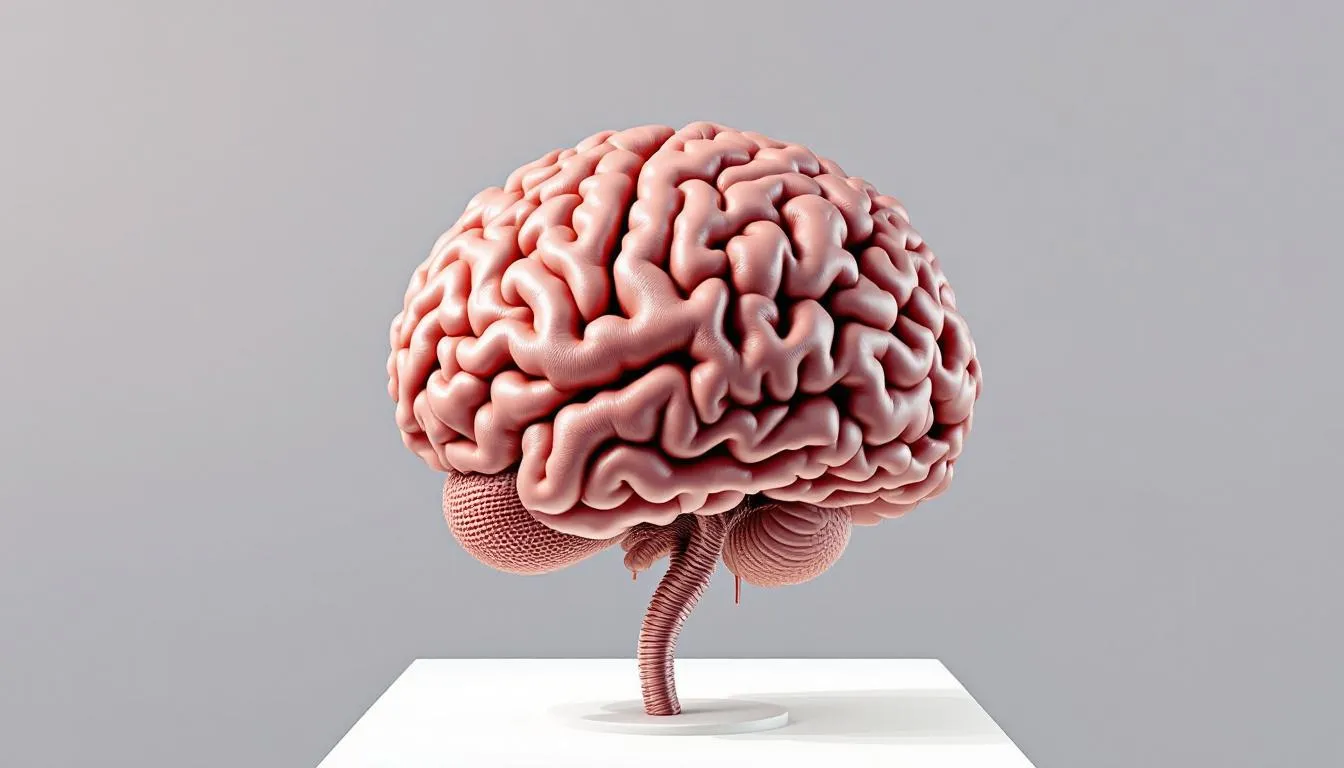
Brain imaging research provides fascinating insights into what happens neurologically in children who lose their autism diagnosis. Studies reveal that these individuals don’t develop “typical” brain function but rather show enhanced compensatory mechanisms. Their brains demonstrate increased activation in regions associated with cognitive control and social processing, suggesting they work harder to achieve similar behavioural outcomes as their typically developing peers.
Long-term follow-up studies tracking outcomes into young adulthood reveal important nuances about diagnostic stability. While some individuals no longer meet formal autism criteria, many continue to experience subtle challenges in executive function, social anxiety, and sensory processing. These findings highlight the importance of distinguishing between losing diagnostic criteria and truly “outgrowing” the underlying neurological differences.
The research consistently demonstrates that optimal outcome represents the upper end of possible development within the autism spectrum rather than a departure from it. Current research focuses on understanding the mechanisms that enable such remarkable progress and developing interventions that can help more children achieve similar outcomes.
What “Optimal Outcome” Really Means
The term “optimal outcome” describes individuals who previously met criteria for autism diagnosis but subsequently function within typical ranges on standardised measures of cognition, language, and social behaviour. However, this classification doesn’t indicate complete normalisation of all autism-related features.
Many individuals classified as achieving optimal outcome continue to face challenges that may not be captured by standard diagnostic measures. These can include difficulties with executive function, heightened anxiety in social situations, sensory sensitivities, or challenges with flexibility and change. The autism traits may become more subtle but don’t disappear entirely.
Success in the optimal outcome group is measured by functional improvement rather than elimination of all autism characteristics. These individuals often develop sophisticated coping strategies, excel in structured environments, and may channel their focused interests into academic or professional strengths. However, they frequently require ongoing support to maintain their achievements.
The distinction between optimal outcome and typical development becomes particularly important when considering support needs. Many individuals who lose their autism diagnosis continue to benefit from accommodations, therapeutic support, and understanding from family and educators. Recognising this ongoing need prevents the harmful assumption that apparent “recovery” means no further support is necessary.
Factors That Influence Autism Progression
Several key factors significantly influence the developmental trajectory of children with autism. Understanding these variables helps families and professionals make informed decisions about interventions and set appropriate expectations for progress.
Age at diagnosis emerges as one of the most critical factors affecting outcomes. Diagnosing autism at an early age is crucial, as it allows for timely support and intervention. Early identification, ideally before age 3, allows families to access early intervention services during the period of greatest brain plasticity. Consulting an autism specialist is recommended to ensure accurate diagnosis and to develop an effective intervention plan tailored to the child’s needs. Children diagnosed and treated earlier consistently show better outcomes in language development, social skills, and adaptive behaviours compared to those who receive later diagnoses.
Intellectual ability and language development at the time of diagnosis serve as strong predictors of long-term outcomes. Children with higher cognitive abilities and those who develop communicative speech by age 5 are more likely to achieve significant functional improvements. However, it’s important to note that even children with intellectual disabilities can make meaningful progress with appropriate support. Early identification and intervention at a young age can lead to better developmental outcomes, as the brain is more adaptable during early childhood.
The quality and intensity of early intervention services dramatically impact developmental outcomes. Research demonstrates that children receiving 25-40 hours per week of evidence-based intervention show greater improvements than those receiving less intensive services. Children who receive early intervention are more likely to experience significant gains in various developmental areas. The specific type of intervention matters less than ensuring it’s evidence-based and implemented with sufficient intensity and consistency.
Family support and involvement in treatment play crucial roles in determining outcomes. Families who actively participate in therapy sessions, implement strategies at home, and maintain consistent expectations across environments tend to see greater progress in their children. This doesn’t place blame on families but rather highlights the importance of comprehensive, coordinated support systems.
Individual neurological profiles and the severity of initial autism symptoms also influence developmental trajectories. Children with milder initial presentations, fewer repetitive behaviours, and better early social engagement skills tend to make more dramatic gains. However, every child has the potential for meaningful progress regardless of their starting point.
The Critical Role of Early Intervention
Early intervention represents the most powerful tool available for improving outcomes in children with autism. The period before age 3 offers unique opportunities for intervention due to the brain’s heightened plasticity during early development. During this critical window, neural pathways are still forming and can be more easily influenced through targeted therapeutic interventions.
Evidence-based early intervention approaches include applied behavioural analysis (ABA), the Early Start Denver Model (ESDM), speech therapy, and occupational therapy. These interventions focus on building foundational skills in communication, social interaction, and adaptive behaviour while addressing challenging behaviours that may interfere with learning and development. Behavioural therapy is also a key component of autism intervention, helping children improve their skills and manage their condition effectively.
The intensity of early intervention appears to be as important as the specific approach used. Research consistently shows that children receiving intensive services—typically defined as 25-40 hours per week—demonstrate greater improvements than those receiving fewer hours of intervention. This intensity allows for multiple learning opportunities throughout the day and helps children generalise skills across different settings and situations.
Early interventions can lead to significant skill gains while autism characteristics remain present. Children may develop functional communication, improve social interaction skills, and learn to manage sensory sensitivities more effectively. Early intervention also supports the development of behavioural skills, which are crucial for long-term success and independence.
Statistics from randomised controlled trials demonstrate the effectiveness of intensive early intervention. Children receiving comprehensive early intervention show improvements in IQ scores, language development, and adaptive functioning compared to control groups. However, these gains occur within the context of autism rather than representing a cure for the condition.

Masking vs. Actual Improvement
Understanding the difference between masking and genuine skill development is crucial for accurately assessing progress in individuals with autism. Masking refers to the learned behaviours and strategies that autistic individuals use to appear more neurotypical in social situations, while actual improvement involves developing genuine skills and reducing the effort required for social interaction.
Many children with higher cognitive abilities develop sophisticated masking strategies over time. They may learn to make appropriate eye contact, engage in small talk, or suppress stimming behaviours in public settings. While these strategies can help individuals navigate social expectations more successfully, they often require significant mental energy and can be exhausting to maintain.
The psychological cost of masking can be substantial, leading to increased anxiety, depression, and burnout in adolescence and adulthood. Many autistic individuals who masked successfully in childhood report feeling constantly “on stage” and struggling with identity development. This highlights why apparent “recovery” may actually represent successful compensation rather than true resolution of autism characteristics.
Children with higher IQs may develop particularly sophisticated masking abilities, leading adults to believe they have outgrown their autism diagnosis. However, careful assessment often reveals that these individuals continue to experience internal challenges with sensory processing, executive function, and social understanding, even when their external behaviour appears typical.
Recognising masking is important for providing appropriate ongoing support. Individuals who appear to have made dramatic progress may still need accommodations, therapeutic support, and understanding from family and educators. Failing to recognise the difference between masking and genuine improvement can lead to inadequate support and increased mental health challenges.
Autism Across Different Life Stages
Understanding how autism presents across different developmental periods helps families prepare for evolving challenges and opportunities. While core autism characteristics persist throughout life, the specific manifestations and support needs change significantly as individuals mature and face new environmental demands. In rare cases, childhood disintegrative disorder may be diagnosed, which is a distinct autism spectrum condition characterised by a later onset of developmental regression and a different developmental trajectory.
During early childhood (ages 2-5), the focus typically centres on developing fundamental communication and social skills. This period often involves intensive therapeutic interventions targeting language development, social engagement, and basic self-help skills. Many children make significant gains during these early years, developing functional communication and improving their ability to engage with family members and peers. There is considerable variability in how autism presents at this stage; for example, Asperger’s syndrome is a specific form of autism spectrum disorder marked by normal intelligence, advanced language skills, and unique social communication challenges.
The school-age period (ages 6-12) brings new challenges related to academic learning and peer relationships. Children with autism may excel in structured learning environments while struggling with playground social dynamics. Academic support often focuses on executive function skills, social pragmatics, and managing sensory sensitivities in classroom settings.
Adolescence (ages 13-18) presents unique challenges as social demands become more complex and identity formation becomes central to development. Many autistic adolescents struggle with the abstract nature of teenage social relationships while also dealing with the physical and emotional changes of puberty. This period often requires increased mental health support and social skills intervention.
Young adulthood (ages 19-25) involves significant transitions to independence, higher education, and employment. Many autistic young adults face challenges navigating these transitions, particularly in developing independent living skills and maintaining employment. However, this period also offers opportunities to build on individual strengths and interests.
Challenges and Strengths in Adulthood
The transition to adult life presents both significant challenges and unique opportunities for individuals with autism. Employment outcomes remain concerning, with approximately 80% of autistic adults experiencing unemployment or underemployment despite many having average or above-average intellectual abilities. This statistic reflects societal barriers rather than inherent limitations, highlighting the need for better workplace accommodations and employer education.
Independent living skills represent another area of ongoing challenge for many autistic adults. While some individuals live completely independently, others require varying levels of support with daily living tasks, financial management, and social navigation. The level of support needed doesn’t necessarily correlate with intellectual ability, as individuals may excel in certain areas while requiring assistance in others.
However, autistic adults also bring unique strengths to society. Many demonstrate exceptional attention to detail, strong analytical abilities, and deep expertise in their areas of interest. These characteristics can translate into valuable contributions in fields such as technology, research, arts, and specialised trades when appropriate support and accommodation are provided.
Mental health considerations become increasingly important in adulthood, as many autistic adults experience higher rates of anxiety, depression, and other mental health challenges. Mental health issues are especially prevalent among autistic adults, making it crucial to address these concerns with tailored support and early intervention. These issues often stem from years of social stress, masking, and inadequate support rather than being inherent to autism itself. Appropriate mental health support that understands autism can significantly improve quality of life.
Common Misconceptions About “Outgrowing” Autism
Several persistent myths about autism development continue to circulate despite contradictory scientific evidence. Understanding and addressing these misconceptions is crucial for developing realistic expectations and providing appropriate support throughout the lifespan.
The myth that children can be “cured” of autism with enough therapy persists despite decades of research demonstrating autism’s neurobiological basis. While intensive therapy can lead to significant skill development and improved functioning, it doesn’t eliminate the underlying neurological differences that define autism spectrum disorder. This misconception can lead families to pursue inappropriate treatments or set unrealistic goals for their children.
Another common misconception suggests that individuals who don’t “look autistic” anymore have outgrown the condition. This belief fails to recognise the sophisticated masking strategies many autistic individuals develop over time. External appearances can be deceiving, as individuals may appear neurotypical while experiencing significant internal struggles with sensory processing, social anxiety, and executive function challenges.
The myth that high-functioning autism isn’t “real” autism creates harmful hierarchies within the autism community. This misconception fails to recognise that all individuals on the autism spectrum share core characteristics, regardless of their support needs or functional abilities. It also minimises the very real challenges faced by individuals with less obvious support needs.
Similarly, the belief that successful adults with autism don’t need ongoing support overlooks the reality that achievement often requires significant accommodation and support systems. Many successful autistic adults continue to benefit from workplace accommodations, therapeutic support, and understanding from family and colleagues throughout their lives.

Supporting Autistic Individuals Throughout Life
Effective support for autistic individuals requires an individualised approach that recognises both strengths and challenges while adapting to changing developmental needs. Rather than focusing on elimination of autism traits, successful support strategies emphasise building skills, developing coping mechanisms, and creating inclusive environments that accommodate neurological differences.
Celebrating progress while accepting autism as a fundamental part of identity represents a crucial shift in perspective. This approach recognises that individuals can develop new skills and improve their quality of life without needing to become “normal” or neurotypical. Progress might involve learning to communicate needs more effectively, developing self-advocacy skills, or finding successful ways to manage sensory sensitivities.
Building self-advocacy skills becomes increasingly important as individuals with autism mature. Teaching autistic children and adults to understand their own needs, communicate about their autism, and request appropriate accommodations empowers them to navigate various environments more successfully. This skill development contributes to long-term independence and self-determination.
Family education and support play essential roles in creating environments where autistic individuals can thrive. Families benefit from understanding autism as a lifelong neurological difference rather than a condition to be overcome. This perspective shift enables more effective support strategies and helps prevent the burnout that can result from unrealistic expectations.
Creating inclusive environments that accommodate autistic differences represents a societal responsibility that extends beyond individual families. Schools, workplaces, and community organisations all have roles to play in developing environments where autistic individuals can participate fully without having to mask or suppress their natural ways of being.
Therapeutic Approaches That Make a Difference
Evidence-based interventions that focus on improving quality of life without claiming to cure autism represent the gold standard for supporting autistic individuals. These approaches recognise autism as a neurological difference while addressing specific skill areas and challenges that may interfere with functioning and well-being.
Occupational therapy plays a crucial role in helping autistic individuals develop daily living skills and manage sensory sensitivities. Occupational therapists work on everything from fine motor skills and self-care abilities to sensory integration and environmental modifications that support better functioning across settings.
Speech therapy adapted for autistic individuals focuses not only on verbal communication but also on pragmatic language skills, nonverbal communication, and alternative communication methods when needed. Modern speech therapy approaches recognise that communication comes in many forms and works to support each individual’s natural communication style while building additional skills.
Social skills training requires careful adaptation for different developmental stages and individual needs. Effective social skills interventions teach specific strategies for navigating social situations while respecting autistic communication styles and social preferences. The goal is building confidence and competence rather than forcing conformity to neurotypical social norms.
Mental health support specifically tailored for autistic individuals addresses the unique challenges they may face, including anxiety related to sensory sensitivities, social stress, and executive function difficulties. Mental health professionals who understand autism can provide more effective interventions that work with rather than against autistic traits and characteristics.
Current Research and Future Directions
Ongoing research continues to expand our understanding of autism development and outcomes across the lifespan. Long-term longitudinal studies tracking individuals from early childhood through adulthood provide increasingly detailed pictures of how autism characteristics evolve over time and what factors contribute to optimal outcomes.
Studies investigating the long-term outcomes of early intervention are revealing important insights about which specific intervention components are most effective and for whom. This research is moving beyond simple questions of whether intervention works to more nuanced understanding of how to match interventions to individual profiles and needs.
Research into biomarkers and earlier detection methods holds promise for identifying autism earlier in development, potentially expanding the window for intervention during periods of maximum brain plasticity. Early detection research includes investigation of behavioural markers in infancy, genetic screening approaches, and neurobiological indicators that might be present before obvious behavioural symptoms emerge.
Investigation of genetic and environmental factors influencing autism presentation continues to reveal the complex interplay of factors that contribute to the wide variability seen within autism spectrum disorders. This research may eventually lead to more personalised intervention approaches based on individual genetic and environmental profiles.
Development of new assessment tools, such as the Early Skills Assessment Tool (ESAT), aims to improve our ability to identify autism characteristics and track progress over time. These tools may help distinguish between masking and genuine skill development while providing more comprehensive pictures of individual functioning across multiple domains.
Studies focusing on quality of life and self-determination in autistic adults represent an important shift toward understanding success from the perspective of autistic individuals themselves rather than external observers. This research recognises that meaningful outcomes may look different than traditional measures of independence or social conformity.
Building Realistic Expectations and Hope
Balancing hope for improvement with acceptance of autism as lifelong requires a nuanced understanding that acknowledges both the potential for growth and the permanence of neurological differences. Families can maintain optimism about their children’s futures while developing realistic expectations about what progress looks like within the autism spectrum.
Focusing on functional outcomes and quality of life rather than appearance of normality represents a healthier approach to measuring success. This perspective recognises that an individual can live a fulfilling, meaningful life while remaining autistic. Success might involve developing effective communication systems, building satisfying relationships, pursuing meaningful interests, or contributing to community in ways that align with individual strengths and preferences.
Understanding that significant progress is possible within the autism spectrum helps families maintain hope while avoiding the potential disappointment that can come from expecting complete recovery. Many autistic individuals develop sophisticated skills, achieve academic and professional success, and maintain satisfying relationships while retaining their autism characteristics and support needs.
Celebrating neurodiversity and the unique contributions of autistic individuals represents an important cultural shift that benefits everyone. This perspective recognises autism as one form of human neurological variation that brings both challenges and strengths to our communities. Rather than viewing autism as something to overcome, this approach values autistic perspectives and contributions.
Resources for families to develop healthy perspectives on autism and growth include autism advocacy organisations, support groups led by autistic adults, and educational materials that present balanced, realistic information about autism development. Connecting with the broader autism community can provide valuable support and perspective for families navigating this journey.
The question of whether someone can grow out of autism reflects natural hopes and concerns about the future. While the answer is that autism remains a lifelong condition, this reality doesn’t diminish the tremendous potential for growth, learning, and meaningful life experiences that exists for every autistic individual. Understanding autism development as a process of building on strengths, developing skills, and creating supportive environments enables families and individuals to pursue the most fulfilling possible outcomes while celebrating the unique perspectives that autism brings to our world.
For families seeking guidance on supporting their autistic children or adults wondering about their own developmental trajectory, consulting with autism specialists who understand current research and evidence-based approaches can provide valuable individualised guidance tailored to specific needs and circumstances.
Conclusion
Awareness and support play a vital role in the lives of individuals with autism spectrum disorder (ASD) and their families. Early detection of autism symptoms during childhood can lead to timely intervention, which is essential for helping autistic children develop important communication skills, social interaction abilities, and daily living skills. Recognising the signs of autism spectrum disorder, such as differences in social communication or repetitive behaviours, enables families to seek accurate diagnosis and appropriate resources promptly.
Support extends beyond early intervention, as autism is a lifelong condition requiring ongoing assistance as individuals grow and face new challenges in school, work, and community life. Many children and adults on the autism spectrum benefit from personalised strategies that address their unique strengths and needs. This support may vary in intensity depending on different life stages but remains crucial throughout adulthood.
Fostering awareness within families, schools, and communities helps reduce stigma and creates environments where autistic individuals can thrive. When effective support systems are in place, individuals with autism spectrum disorder are better equipped to manage their traits, develop adaptive behaviours, and participate fully in daily living. While some may achieve what is known as an optimal outcome, many will continue to need patience and ongoing support to reach their fullest potential.
Ultimately, increasing awareness and establishing strong support networks not only enhance the quality of life for those with autism spectrum disorder but also strengthen the broader autism community. By embracing the diversity of the autism spectrum and recognising the importance of early intervention and lifelong support, we can ensure every autistic person has the opportunity to lead a fulfilling and meaningful life.

Related Posts


This Post Has 0 Comments