If you’re wondering whether you can have both borderline personality disorder and autism, the answer…

Can a Traumatic Birth Cause Autism? Exploring the Potential Link
Can a traumatic birth cause autism? Research suggests a complex relationship between birth trauma and autism development. This article explores birth injuries linked to autism, the role of brain injury during delivery, and how these factors might contribute to autism.
Key Takeaways
- Birth trauma, including injuries such as cerebral palsy and birth asphyxia, may increase the risk of developing Autism Spectrum Disorder (ASD), highlighting the need for improved antenatal and perinatal care.
- Brain injuries sustained during childbirth, particularly those affecting white matter, are linked to behaviours associated with autism, stressing the importance of protecting neurological health during delivery.
- Early detection and intervention for children with ASD after a traumatic birth can significantly improve developmental outcomes, necessitating prompt communication with healthcare providers and access to support services.
Understanding Birth Trauma and Autism Spectrum Disorder

Birth trauma refers to physical injuries a newborn might sustain during childbirth. These injuries can range from minor bruises to more severe medical conditions like cerebral palsy and birth asphyxia. On the other hand, Autism Spectrum Disorder (ASD) is characterised by difficulties in social interaction, communication, and repetitive behaviours. Examining the interplay of genetic and environmental factors can reveal how these two distinct conditions might intersect.
ASD arises from a combination of genetic and environmental influences. Traumatic births, categorised under environmental factors, have been increasingly scrutinised for their potential role in developing autism, which is primarily caused by various factors. Educational workshops can aid families in comprehending these potential links, fostering more effective parenting strategies.
The question then arises: can trauma cause autism, or does it merely act as a catalyst in genetically predisposed children? Investigating this link can guide early interventions and support systems for families. Recognising the connections between birth trauma and ASD can improve diagnostic and therapeutic approaches. This, in turn, can significantly improve the quality of life for children with ASD and their families.
Types of Birth Injuries Linked to Autism

Several types of birth injuries have been linked to an increased risk of developing autism. Cerebral palsy, a common birth injury, is notably associated with autism spectrum disorders (ASD). Children with cerebral palsy are up to seven times more likely to have co-occurring ASD. This statistic highlights the importance of understanding the overlap between these conditions.
Another significant birth injury linked to autism is birth asphyxia. This condition, where the infant’s oxygen supply is disrupted during birth, has been shown to increase the risk of autism. The severity of birth asphyxia correlates with a higher likelihood of developing ASD, underscoring the critical need for immediate medical intervention during childbirth.
Additionally, other birth complications like placental abruption, breech presentation, transverse presentation, and umbilical cord prolapse have also been associated with an increased autism risk. These perinatal complications, along with fetal dystocia and maternal diabetes, highlight the myriad ways in which childbirth challenges can influence a child’s developmental trajectory. These links help parents and healthcare providers anticipate and manage potential risks.
The Role of Brain Injury in Autism Development
Brain injuries sustained during birth can play a significant role in the development of autism. Damage to specific parts of the brain is linked to behaviours similar to those observed in individuals with ASD. This connection emphasises the importance of protecting the brain during childbirth to mitigate the risk of autism and develop autism.
White matter irregularities are particularly notable in individuals with autism. These structural differences in the brain’s white matter contribute to the symptoms of ASD. Disruptions in oxygen supply during gestation or delivery can cause white matter injury, which in turn, can lead to the development of autism.
Clarifying the role of brain injury in ASD development is key for prevention and intervention. It underscores the necessity for enhanced antenatal and perinatal care to minimise birth injuries and their long-term effects on children’s neurological health.
Perinatal and Neonatal Factors Influencing Autism Risk
Research indicates that both perinatal and neonatal factors can significantly influence the risk factors associated with the risk of developing autism. Maternal diabetes, for instance, has been identified as a risk factor, linking maternal metabolic conditions to the increased likelihood of ASD in children. This highlights the significance of managing maternal health during pregnancy.
Complications before labour, such as maternal haemorrhage, are also associated with a higher risk of autism in children. Congenital malformations found in baby infants and feeding difficulties in newborns have similarly been linked to a greater risk of developing autism later in life. These factors emphasise the importance of the neonatal period in a child’s autism development.
Additionally, low birth weight is significantly correlated with an increased risk of autism, particularly in studies that assess birth weight prospectively. Multiple births, summer births, and various other complications during birth, such as abnormal presentation and birth trauma, have also been associated with an elevated risk of autism. These findings stress the necessity for comprehensive antenatal and perinatal care to mitigate risks.
How Birth Complications Affect Brain Development
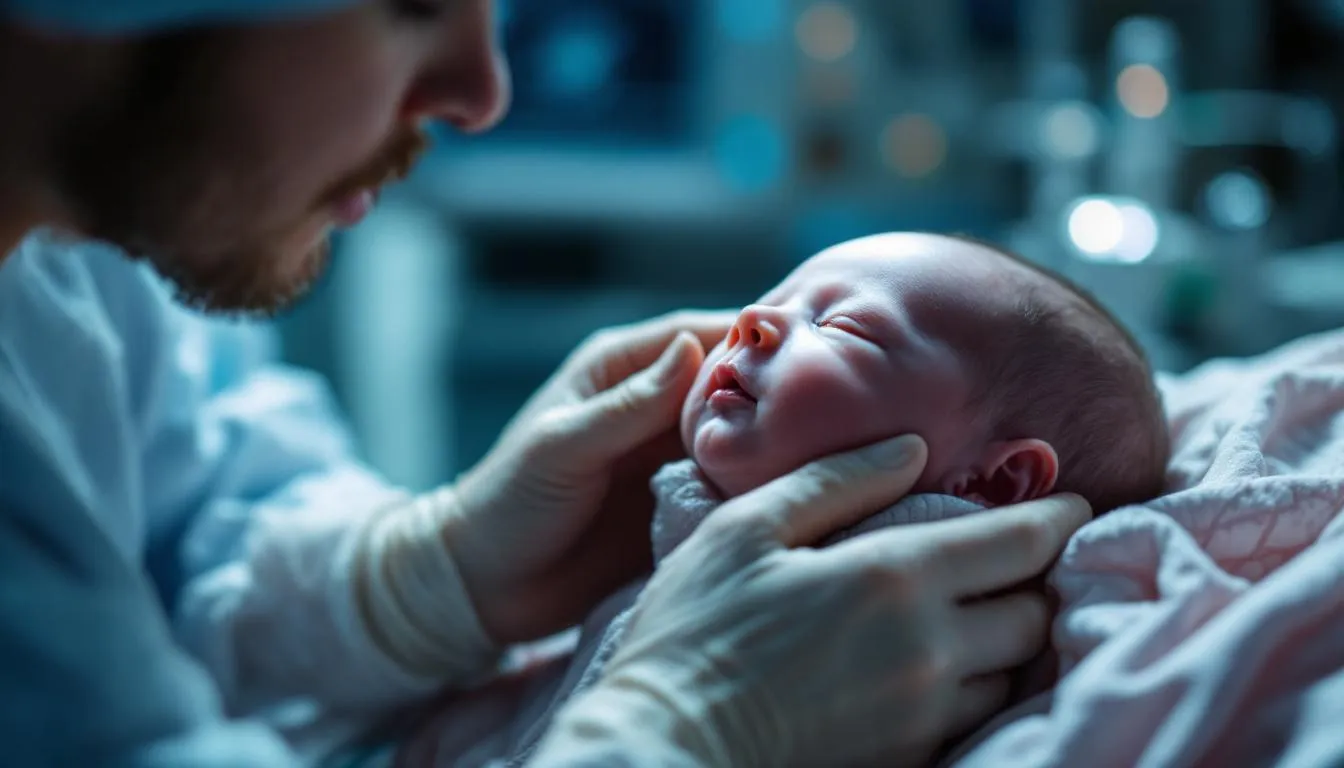
Birth complications can significantly impact brain development, potentially leading to autism. Hypoxic conditions during crucial brain development periods can alter children’s neurodevelopmental trajectory. These structural alterations can result in learning problems and neurodegeneration later in life.
Children exposed to prenatal hypoxic conditions often experience greater sensory dysfunction, a common symptom in individuals with autism. Complications such as fetal distress and umbilical cord issues during birth can further exacerbate these developmental challenges, including those related to oxygen deprivation and hypoxic ischaemic encephalopathy.
Multiple neonatal complications cumulatively increase autism risk more than individual factors alone. This highlights the importance of addressing and managing birth complications promptly to minimise long-term impacts on brain development and reduce the risk of autism.
Seeking Help and Early Intervention
If you suspect your child has ASD after a traumatic birth, consult a doctor immediately. Early detection and intervention can significantly improve outcomes for children with autism, so promptly communicate any developmental concerns to healthcare providers to ensure they are treated quickly.
Early diagnosis is critical for effective management and intervention. Research has shown that early intervention significantly increases the likelihood of improved developmental outcomes. Support services can also help families navigate the complexities of an autism diagnosis and subsequent care.
Programmes by Kaiser Permanente and other healthcare providers offer valuable resources for early detection and intervention. These programmes are designed to identify developmental delay early and offer appropriate treatments to help children reach their full potential.
Legal Considerations for Birth Injuries
When negligence in a birth injury is suspected, legal action may be pursued. A birth injury solicitor can assist families in understanding their rights to compensation and guide them through the legal process. This support is vital for families seeking justice and financial relief for treatment costs and related conditions.
Filing a birth injury claim requires:
- Proving that the medical provider breached their duty, resulting in harm.
- Gathering substantial evidence, including medical records and expert testimony.
- Meeting filing deadlines, which vary based on whether the injured party is a child or the mother.
Successful legal action can help families recover compensation for treatment costs and related expenses. This financial support can be pivotal in managing the long-term care and developmental needs of a child with autism.
Supporting Families Affected by Traumatic Births

Families dealing with the aftermath of a traumatic birth can benefit immensely from specialised support services tailored to their unique family experiences. Counselling, group therapy, and coping strategy resources are often available to families dealing with autism after birth trauma.
Online communities offer parents emotional support and shared experiences, helping them navigate the challenges of raising a child with autism. Local support groups also offer in-person meetings, providing a safe space for families to share their challenges and successes.
Legal aid is available for birth injury claims linked to medical negligence resulting in severe disabilities. While compensation claims for birth injuries can take years to settle, they often provide crucial financial support for affected families. These resources collectively assist families in coping with the complexities of birth trauma and autism. Additionally, many legal services offer a free consultation to help families understand their options.
Summary
In summary, the potential link between traumatic births and Autism Spectrum Disorder (ASD) is a complex and multifaceted issue. Understanding the types of birth injuries linked to autism, the role of brain injuries, and the various perinatal and neonatal factors influencing autism risk is crucial for parents and carers. Early detection and intervention, coupled with legal support and specialised family services, can significantly improve outcomes for children with autism.
This comprehensive exploration aims to provide clarity and support for families navigating the challenges of traumatic births and autism. By understanding the potential connections and seeking appropriate support, families can better manage their child’s developmental needs and enhance their quality of life.
Frequently Asked Questions
Can a traumatic birth cause autism?
A traumatic birth may increase the risk of developing autism, particularly when coupled with other genetic and environmental influences, although it is not a direct cause.
What types of birth injuries are linked to autism?
Cerebral palsy, birth asphyxia, and complications such as placental abruption and umbilical cord prolapse are types of birth injuries associated with a heightened risk of autism. This correlation underscores the importance of monitoring and addressing these birth-related risks.
How do brain injuries during birth affect autism development?
Brain injuries during birth can result in structural differences in the brain’s white matter, which may contribute to behaviours commonly associated with autism. Thus, such injuries could play a significant role in the development of autism.
What should I do if I suspect my child has autism after a traumatic birth?
If you suspect your child has autism after a traumatic birth, it is crucial to consult a doctor promptly to pursue early detection and intervention, which can greatly improve your child’s developmental outcomes.
Can I take legal action if I believe medical negligence caused my child’s birth injury leading to autism?
You can pursue legal action if you suspect that medical negligence caused your child’s birth injury leading to autism. It is advisable to consult with a birth injury solicitor to understand your rights and navigate the legal process effectively.

Related Posts


This Post Has 0 Comments