Getting an autism diagnosis can feel overwhelming, especially when you’re unsure about which professionals are…
Why Do Autistic People Wear Headphones? Understanding Sensory Needs
For many autistic individuals, headphones serve as essential tools for navigating a world filled with overwhelming sensory experiences. If you’ve ever wondered why autistic people wear headphones, the answer lies in understanding how their brains process sensory information differently than neurotypical individuals. Rather than being antisocial or rude, wearing headphones represents a practical adaptation that enables autistic people to participate more fully in daily activities while managing their unique sensory needs.
Research indicates that 80-90% of autistic individuals experience some form of sensory processing differences, with auditory hypersensitivity being among the most common challenges. These differences aren’t simply preferences they represent genuine neurological variations that can significantly impact comfort, focus, and emotional regulation. Understanding why autistic people wear headphones is crucial for creating more inclusive environments and supporting the diverse needs of the autism community.
The Primary Reasons Autistic People Wear Headphones
The primary reason autistic people wear headphones centres on managing auditory hypersensitivity and preventing sensory overload that commonly occurs in autism spectrum disorders. This isn’t about preference or convenience it’s about creating manageable sensory environments that allow autistic individuals to function effectively in their daily lives.
Statistics reveal that over 90% of autistic individuals experience sensory processing issues, with sound sensitivity ranking among the most prevalent challenges. Studies show that noise cancelling headphones can reduce stress and anxiety levels by more than 60% in typical daily environments, demonstrating their effectiveness as adaptive tools rather than social barriers.
Headphones create controlled auditory environments by filtering out unpredictable background noise and overwhelming sounds that can trigger sensory overload. This controlled auditory environment allows autistic individuals to regulate their sensory input proactively, reducing the likelihood of reaching overwhelming sensory thresholds that can lead to meltdowns, anxiety, or withdrawal.
Understanding that headphones serve as adaptive tools helps dispel misconceptions about antisocial behaviour. When autistic individuals wear headphones, they’re demonstrating self-advocacy and using evidence-based strategies to manage their sensory sensitivities effectively.
Understanding Sensory Processing in Autism
Sensory processing in autism involves complex neurological differences that affect how the brain interprets and responds to sensory stimuli. Unlike neurotypical brains that naturally filter and prioritize sensory input, autistic brains often struggle with sensory filtering, leading to heightened sensitivity to auditory stimuli and other sensory experiences.
Auditory hypersensitivity manifests in various ways throughout daily life. Common triggering sounds include sirens, vacuum cleaners, sudden loud noises, crowded cafeterias, hand dryers, and even seemingly innocuous sounds like fluorescent light buzzing or air conditioning hums. These everyday noises can cause physical discomfort, anxiety, and emotional overwhelm for autistic individuals.
The physical and emotional responses to sensory overload are real and measurable. When exposed to overwhelming sounds, autistic individuals may experience increased heart rate, elevated stress hormones, anxiety attacks, or meltdowns. The fight-or-flight response activated by sensory overload can persist long after the triggering sound ends, affecting concentration, emotional regulation, and overall well-being.
The Science Behind Sensory Overload
The nervous system processes sensory information differently in autistic brains, often lacking the natural filtering mechanisms that help neurotypical individuals ignore irrelevant background noise. This difference means that autistic people may hear and process sounds at the same intensity level, making it difficult to focus on important auditory information while filtering out external noises.
Sensory overload occurs when the brain struggles to process multiple sensory inputs simultaneously. This overwhelming sensory input triggers the release of stress hormones like cortisol, which can impair executive functioning and emotional regulation. The cumulative effect of repeated sensory overload can lead to chronic stress, fatigue, and difficulty participating in social or educational activities.
Research demonstrates that managing sensory overload through tools like headphones can significantly improve cognitive functioning and emotional stability. By reducing overwhelming auditory input, autistic individuals can redirect their mental resources toward learning, social interaction, and other important activities.
Individual Variations in Sensory Experiences
Sensory experiences vary significantly across the autism spectrum, with individuals experiencing different combinations of hypersensitivity and hyposensitivity to various sensory stimuli. While some autistic people are extremely sensitive to specific frequencies or volumes, others may seek additional auditory input to help regulate their sensory systems.
These sensory profiles can change from childhood to adulthood, requiring ongoing assessment and adaptation of support strategies. Young autistic children might be overwhelmed by classroom noise, while autistic adults may find workplace environments challenging without appropriate sensory accommodations.
Co-occurring conditions like ADHD can further complicate sensory processing, creating unique sensory challenges that require personalized approaches to sensory regulation. Understanding these individual variations helps explain why different types of headphones work better for different autistic individuals.
Key Benefits of Headphone Use for Autistic Individuals
Headphones provide immediate relief from overwhelming auditory stimuli and background noise, creating a quieter environment that reduces sensory stress. This noise reduction allows autistic individuals to focus on important tasks, conversations, or activities without being distracted by unpredictable external sounds.
The anxiety and stress reduction achieved through controlled sensory input can be dramatic. Many autistic individuals report feeling calmer and more capable of handling daily challenges when they have access to headphones for managing sound sensitivity. This improved emotional regulation extends beyond the immediate moment, contributing to better overall mental health and well-being.
In educational and work environments, headphones significantly improve focus and concentration by minimizing auditory distractions. Students can better attend to lessons, complete assignments, and participate in classroom activities when overwhelming sounds are filtered out. Similarly, autistic employees often experience increased productivity and job satisfaction when they can manage their auditory environment effectively.
Supporting Independence and Self-Advocacy
Headphones empower autistic individuals to manage their own sensory needs proactively, building confidence through successful self-regulation. Rather than depending on others to modify environmental conditions, autistic people can take control of their sensory experience and advocate for their needs effectively.
This independence extends to daily activities like shopping, commuting, and social events. When autistic individuals have reliable tools for managing sensory sensitivities, they can participate more fully in community activities and maintain greater autonomy in their daily lives.
The self-advocacy skills developed through sensory self-management often transfer to other areas of life, helping autistic individuals communicate their needs and access appropriate accommodations in various settings.
Enabling Social Participation
Contrary to popular misconceptions, headphones often enable greater social participation by making challenging environments accessible. Autistic individuals can attend concerts, sports events, parties, and other social gatherings when they have tools to manage overwhelming sounds while still participating in the experience.
Headphones reduce social withdrawal and isolation by allowing autistic people to remain present in social situations that might otherwise be overwhelming. Instead of leaving or avoiding social events, individuals can use headphones to regulate their sensory input while maintaining social connections.
Additionally, headphones serve as a visual communication tool that signals sensory needs to others. This non-verbal communication can help prevent misunderstandings and encourage more supportive interactions from family members, friends, and community members.
Types of Headphones and Their Specific Benefits
Different headphone categories offer varying levels of sensory support, with each type providing unique benefits for managing sensory sensitivities. Understanding these differences helps autistic individuals and their support networks choose the most appropriate options for specific situations and needs.
When choosing headphones for autism, factors like comfort, noise reduction capabilities, durability, and ease of use all play important roles. Price ranges vary significantly, from budget-friendly options under $50 to premium models exceeding $300, making it important to balance features with accessibility considerations.
The most effective headphones for autistic individuals often combine multiple features: comfortable fit for extended wear, effective noise reduction, intuitive controls, and durability for daily use. Personal preferences regarding pressure, weight, and appearance also influence the best choice for each individual.
Noise-Cancelling Headphones
Active noise cancellation technology works by using microphones to detect ambient sound and producing inverse sound waves to cancel out background noise. This technology is particularly effective at blocking low-frequency sounds like traffic, air conditioning systems, and crowd noise that commonly trigger sensory overload.
Noise cancelling headphones provide significant benefits for autistic individuals by creating more predictable auditory environments. Popular models include the Sony WH-1000XM4, Bose QuietComfort series, and Anker Soundcore models, each offering different levels of noise reduction and comfort features.
Battery life considerations are important for daily use, with most quality noise cancelling headphones providing 20-30 hours of use with active cancellation enabled. Quick charging features and the ability to use headphones passively when batteries are depleted ensure consistent access to sensory support.
Over-Ear vs In-Ear Options
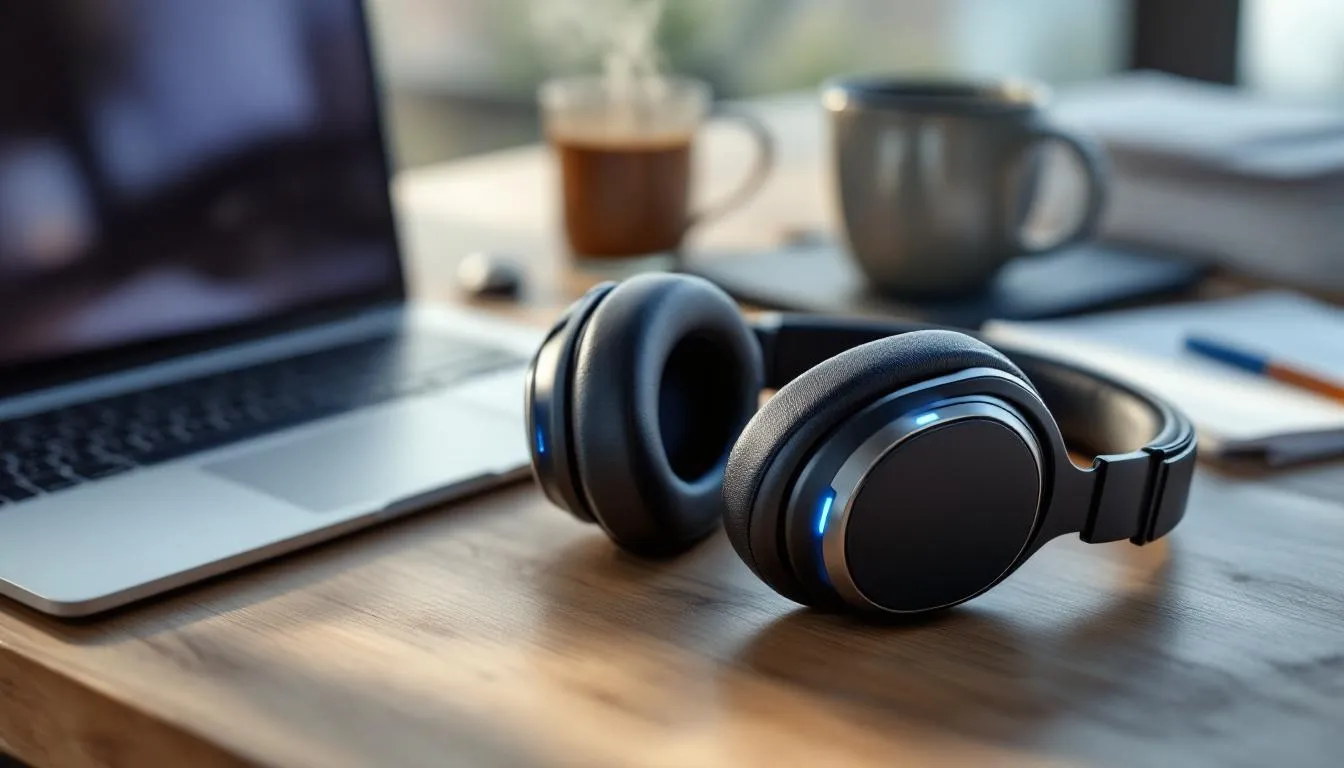
Over ear headphones provide superior sound isolation and comfort for extended wear, making them ideal for situations requiring long-term sensory support. The cushioned ear cups distribute pressure evenly and create an effective physical barrier against external sounds while accommodating individual comfort preferences.
In ear headphones offer portability and discreteness but may cause discomfort for autistic individuals with tactile sensitivities in the ear canal. However, they can be useful for situations where over ear headphones might be impractical or socially challenging.
Pressure sensitivity varies among autistic individuals, with some preferring the gentle pressure of over ear headphones and others finding any pressure uncomfortable. Trying different styles helps identify the most comfortable and effective option for each person’s unique sensory profile.
Specialized Autism-Friendly Features
Volume limiting technology protects hearing while ensuring that headphones don’t become overwhelming themselves. This feature is particularly important for autistic children who may not recognize when volume levels become dangerous.
Sensory-friendly materials and hypoallergenic options address tactile sensitivities that commonly accompany auditory hypersensitivity. Soft, breathable fabrics and smooth surfaces reduce additional sensory irritation that could counteract the benefits of noise reduction.
Adjustable headbands and cushioning accommodate different head sizes and sensitivity levels, ensuring comfortable fit for extended use. Simple, intuitive controls prevent frustration and allow quick adjustments when sensory needs change throughout the day.
Headphones in Educational and Professional Settings
In educational environments, headphones support learning and academic performance by reducing auditory distractions that interfere with concentration. Students with autism often struggle in noisy classrooms where multiple conversations, equipment sounds, and environmental noise create overwhelming sensory conditions.
Workplace accommodations involving headphones help autistic employees manage sensory sensitivities while maintaining productivity and professional relationships. Many employers find that providing sensory accommodations, including access to noise reducing headphones, benefits not only autistic employees but creates more focused work environments for all staff.
Legal protections under disability legislation, including the Americans with Disabilities Act and similar international laws, support the right to reasonable accommodations like headphone use. Collaborating with educators and employers helps ensure that sensory needs are understood and appropriately accommodated.
Classroom Applications and Learning Support
Reducing auditory distractions during lessons and tests allows autistic students to focus on learning objectives rather than managing sensory overwhelm. Teachers often report improved attention, participation, and academic performance when students have access to appropriate headphones for managing sensory sensitivities.
Supporting students with auditory processing difficulties extends beyond basic noise reduction. Some autistic students benefit from headphones that provide white noise or calming sounds, while others need complete silence to process auditory information effectively.
Use during transition times and breaks helps students regulate sensory input during potentially chaotic periods. Hallway noise, cafeteria sounds, and playground activities can be overwhelming for autistic students, making headphones valuable tools for managing these challenging transitions.
Breaking Down Misconceptions
Addressing concerns about social isolation requires education about the difference between choosing isolation and managing sensory needs. When autistic individuals wear headphones, they’re often seeking to remain present and engaged rather than withdrawing from social interaction.
Educating others about sensory needs versus behavioural choices helps create more understanding environments. Many people misinterpret headphone use as rudeness or defiance when it actually represents responsible self-management and adaptation.
Promoting understanding of neurodiversity and accommodation needs benefits entire communities. When schools, workplaces, and public spaces embrace sensory accommodations, they become more inclusive for everyone, including those with invisible disabilities or temporary sensory challenges.
Choosing the Right Headphones: A Practical Guide
Assessment tools for identifying individual sensory preferences help narrow down the most appropriate headphone options. Simple questionnaires about sound sensitivities, comfort preferences, and usage patterns provide valuable guidance for selecting headphones that will be used consistently and effectively.
Budget considerations shouldn’t prevent access to basic sensory support. While premium models offer advanced features, many cost-effective options provide significant noise reduction and comfort. Organizations and families can often find grants, insurance coverage, or assistance programs to help access necessary sensory tools.
Trial periods and return policies allow testing comfort and effectiveness before making final purchases. Many autistic individuals need time to adjust to new sensory tools, making flexible purchasing arrangements important for finding the right fit.
Safety and Health Considerations
Hearing protection guidelines recommend following safe volume levels even when using headphones for sensory regulation. Prolonged exposure to loud music or sounds can cause hearing damage, making volume monitoring important for long-term ear health.
Recommended usage duration helps prevent ear fatigue while ensuring adequate sensory support. Most experts suggest taking periodic breaks from headphones to allow ears to rest, though individual needs may vary based on sensory profiles and environmental demands.
Hygiene practices for frequently used headphones include regular cleaning of ear cups, headbands, and controls to prevent skin irritation or infection. Sharing headphones requires additional sanitation measures to protect health and comfort.
Age-Specific Recommendations
Headphone choices for young autistic children (ages 3-8) prioritize safety, comfort, and durability over advanced features. Child-sized models with volume limiting technology and colorful designs often encourage consistent use while protecting developing hearing.
Teen preferences and social considerations become important factors in headphone selection during adolescence. Autistic teenagers may prefer discrete options or popular brands that help them fit in with peers while still providing necessary sensory support.
Adult needs in professional and social contexts require balancing sensory accommodation with social expectations. Professional-looking headphones can provide workplace sensory support without drawing unwanted attention or limiting career opportunities.
Creating Supportive Environments and Understanding
Family members can support headphone use by understanding sensory needs and respecting individual choices about sensory management. This includes recognizing when someone needs space to regulate their sensory experience and avoiding judgment about accommodation use.
Building sensory-friendly spaces in homes and communities benefits not only autistic individuals but creates more comfortable environments for everyone. Simple modifications like providing quiet areas, reducing background noise, and supporting personal sensory tools can make significant differences in accessibility.
Advocacy strategies for public accommodation include educating service providers, supporting policy changes, and sharing information about sensory needs. Community education helps create more understanding environments where sensory accommodations are welcomed rather than questioned.
Supporting Loved Ones Who Use Headphones
Communication strategies when someone is wearing headphones include gentle visual signals, written notes when necessary, and patience when sensory regulation is needed. Understanding that headphones are tools rather than barriers helps maintain positive relationships while respecting sensory needs.
Recognizing signs of sensory overload allows family members and friends to offer appropriate support before overwhelming situations become crisis moments. Early intervention through environmental modifications or sensory tools can prevent escalation and maintain emotional regulation.
Respecting autonomy and choice in sensory management empowers autistic individuals to advocate for their needs effectively. This includes supporting decisions about when and where to use headphones, even when others might not understand the necessity.
Building Community Awareness
Educational initiatives in schools and public spaces help create more inclusive environments for autistic individuals and others with sensory needs. Training programs for staff and community members build understanding and support for sensory accommodations.
Training for service providers and public-facing staff improves accessibility and reduces misunderstandings about headphone use. When retail workers, restaurant staff, and other service providers understand sensory needs, they can provide better customer service and create more welcoming environments.
Promoting sensory-friendly events and accommodations expands opportunities for community participation. Many venues now offer sensory-friendly hours, quiet spaces, and other accommodations that make activities accessible to autistic individuals and their families.
The question of why autistic people wear headphones reflects a broader need for understanding and supporting neurodiversity in our communities. Headphones represent practical, evidence-based tools that enable autistic individuals to manage their unique sensory needs while participating fully in education, employment, and social activities. By recognizing headphones as adaptive accommodations rather than antisocial behaviour, we can create more inclusive environments that support the diverse needs of all community members.
Understanding sensory processing differences in autism helps explain why traditional environments can be overwhelming and why tools like noise cancelling headphones make such a significant difference in daily functioning. When we support autistic individuals in using headphones and other sensory accommodations, we’re supporting their independence, well-being, and full participation in society.
Creating truly inclusive communities requires ongoing education, advocacy, and commitment to supporting diverse sensory needs. Whether you’re a family member, educator, employer, or community member, learning about why autistic people wear headphones is an important step toward building a more understanding and accessible world for everyone.
Conclusion
Understanding why autistic people wear headphones is essential to appreciating the unique sensory challenges they face and the practical strategies they use to manage them. Headphones serve as vital tools that help reduce sensory overload by creating a personal sensory sanctuary and a more manageable auditory environment. Far from being a sign of social withdrawal, wearing headphones empowers individuals with autism to regulate their sensory input, improve focus, and participate more fully in daily life.
By recognizing headphones as adaptive aids rather than social barriers, we can foster greater empathy, respect, and support for autistic individuals. Creating inclusive environments that accommodate sensory sensitivities and promote understanding sensory sensitivities benefits not only autistic people but the wider community. As awareness grows, so does the opportunity to enhance quality of life and social inclusion for those on the autism spectrum.
Supporting the use of headphones for autistic individuals is a meaningful step toward embracing neurodiversity and ensuring everyone has the tools they need to thrive in noisy environments and beyond.

Related Posts


This Post Has 0 Comments