Getting an autism diagnosis can feel overwhelming, especially when you’re unsure about which professionals are…

Can You Join The Army With Autism: The Complete UK Guide
Can you join the army with autism? Yes, individuals with autism can join the army, though it involves specific medical assessments and meeting certain criteria. This article explores the medical requirements, daily life evaluations, legal framework, potential roles, and support systems available for autistic individuals in the military.
Key Takeaways
- Applicants with autism are evaluated case-by-case, considering their unique circumstances and functional capabilities rather than facing a blanket disqualification.
- The impact of autism on daily life is a crucial factor in assessing suitability for military service, with rigorous evaluations determining the severity and implications for performance in military roles.
- The British Army is committed to inclusivity, providing various supportive roles for autistic individuals while maintaining operational readiness, and continually reviewing recruitment processes to embrace neurodiversity.
Medical Assessment for Autism Applicants

The journey to join the army for autistic individuals begins with a thorough medical assessment, guided by the Joint Service Manual of Medical Fitness in the UK Armed Forces. Unlike a blanket ban, each applicant is evaluated on a case-by-case basis, ensuring that their unique circumstances are considered. This individualized approach recognizes that autism, particularly when mild or non-disabling, does not automatically disqualify a candidate.
To meet the medical requirements, applicants must:
- Demonstrate normal functioning for at least three years, with medical history and records reflecting stability and the ability to handle daily responsibilities without significant disruptions.
- If applications are denied on medical grounds, applicants have the opportunity to appeal the decision by providing additional medical evidence and to provide evidence for their case.
- In cases of doubt about the impact of autism on the applicant, a detailed assessment by a service doctor may be conducted to ensure a fair and thorough evaluation, considering the medical criteria.
Autism, like many other conditions, is assessed with a focus on performance standards and medical fitness, ensuring the army maintains high standards while being inclusive of qualified individuals. The goal is to accept individuals who can serve effectively, ensuring both their well-being and the operational readiness of the troops.
Evaluating Autism’s Impact on Daily Life
Understanding how autism affects daily life is crucial for determining an applicant’s suitability for military service. The key factor is whether the condition significantly impacts academic, occupational, or social functions. If an individual’s autism disrupts their daily activities to a significant degree, they may be classified as disabled. This classification is essential in assessing medical fitness for military service.
Evaluations consider the severity of the condition and potential restrictions on performing military tasks. An applicant with mild autism might function effectively in a structured environment, whereas someone with more severe symptoms might face performance challenges. More than 500 applications are rejected annually in the British Army because of autism or ADHD, highlighting the importance of these assessments.
Factors such as anxiety, stress management, and other conditions are also considered to advise recruits on how to cope with challenging high-pressure situations and provide an answer for rapid decision-making in military life, including the significant impact of depression that they can expect, as well as various health conditions. Additionally, it is important to recruit individuals who can handle these challenges effectively.
The assessment process aims to determine if the applicant can meet the rigorous demands of military service without their condition adversely affecting their performance.
Legal Framework and Autism in the Army
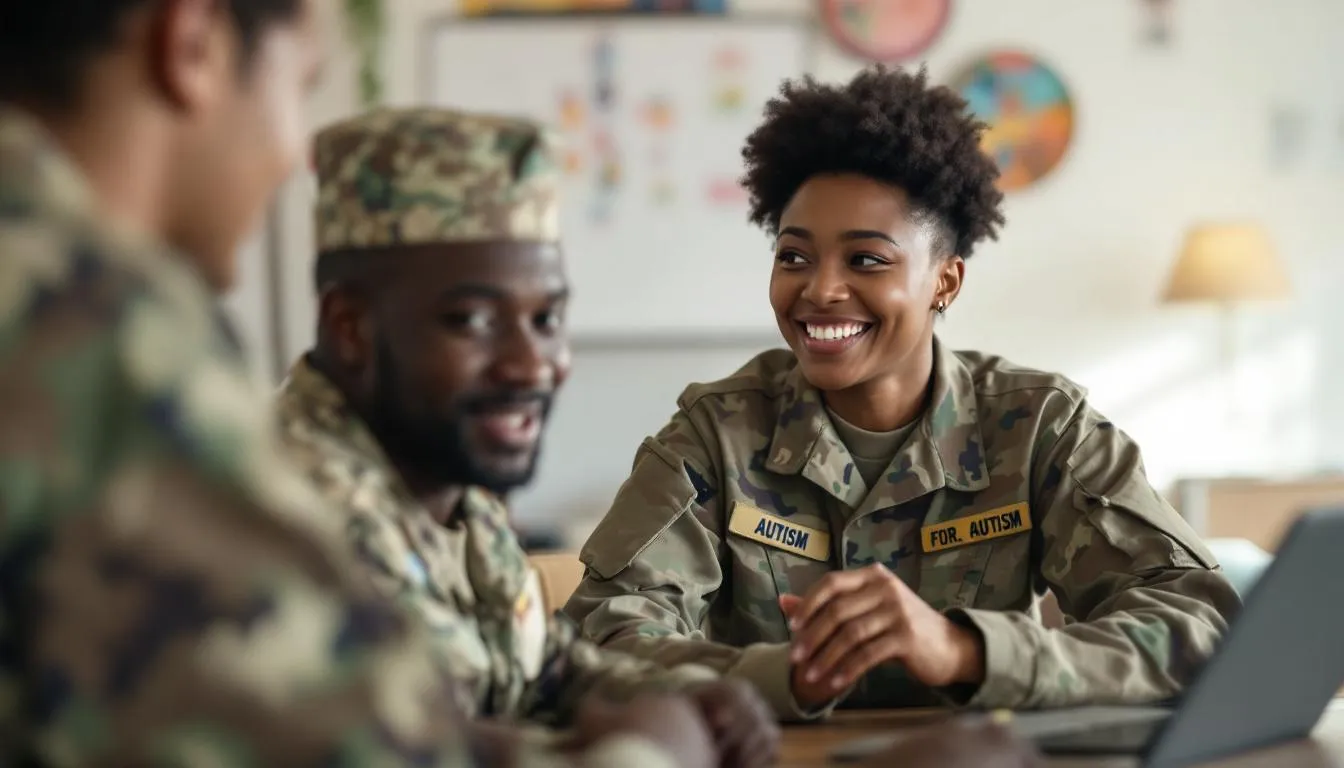
Understanding the legal landscape is crucial for managing autism in the military. The Equality Act 2010 mandates equal treatment for disabled individuals, including those with autism. However, the act also allows for certain exceptions in the armed forces to safeguard national security.
The British Army must balance operational readiness with equality and non-discrimination. Each year, over 500 applicants are rejected due to autism or ADHD, and around 4,000 are turned away because accepted of psychiatric conditions. These rejections are often based on medical grounds, where the condition is deemed to affect national security or the individual’s ability to perform military duties effectively, including those related to the British military.
The Joint Service Manual of Medical Fitness plays a crucial role in these decisions, providing clear guidelines on medical standards and fitness. A diagnosis of autism is flagged in medical records, which can impact military recruitment. This approach ensures all applicants are assessed fairly while maintaining the high standards required for military service.
The legal framework aims to strike a balance between inclusivity and the imperative to maintain a capable and reliable defense force.
Potential Roles for Autistic Individuals
Despite the challenges, numerous roles within the military are suitable for autistic individuals. Technical positions, such as IT and engineering, leverage the detail-oriented skills often associated with autism. These roles leverage the unique capabilities of autistic individuals, allowing them to contribute meaningfully to the military’s technological advancements.
Roles beneficial for autistic individuals include:
- Administrative and logistical roles, which offer a structured environment.
- Positions with predictability and routine that align well with their strengths.
- Support roles in healthcare, such as combat medics, providing opportunities to use skills in a critical and impactful way.
Beyond traditional roles, the military offers opportunities in creative fields such as military bands and music-related positions. Employers in technology and other careers are increasingly recognizing the advantages of hiring neurodiverse individuals, leading to more inclusive practices and supportive work environments. The British Army, in particular, offers a variety of roles that go beyond combat positions, ensuring that there are career opportunities for everyone.
Support Systems and Mental Health Resources

Support systems and mental health resources are vital for the well-being of autistic individuals in the military. The British Army provides tailored support for personnel with specific learning difficulties, ensuring accessible training for everyone. This support is crucial for helping recruits navigate the challenges of military life and achieve their full potential.
Service personnel with disabilities must register their condition with the appropriate authorities to receive necessary support, ensuring equitable treatment during promotion and assignment processes, in line with UK legislation. The Ministry of Defence is committed to serving these laws, ensuring that all personnel are served in compliance both at home and abroad.
Mental health support is particularly important for autistic recruits facing unique challenges during training and service. Organizations like Meic provide information, support, and advocacy for individuals considering joining the Army, including those with autism and mental health issues. This comprehensive support system ensures all recruits have the resources they need to succeed, both mentally and physically.
Future Prospects for Neurodiversity in the Military

The future prospects for neurodiversity in the military are promising. The Ministry of Defence is committed to recruiting neurodiverse individuals and continually reviews entry requirements to foster more inclusive opportunities. This evolving recruitment process aims to open doors for young people with autism who are interested in military service.
As the military embraces innovation, there may be increasing opportunities for autistic people in various roles. High-tech warfare and advancements in technology are creating new demands for skills that neurodiverse individuals often possess. This shift could lead to significant changes in military rules and greater acceptance of autistic recruits.
The commitment to inclusivity and recognition of neuro-diverse skills are paving the way for a more diverse and capable military force. The potential for autistic individuals to contribute to the military’s success is increasingly acknowledged, promising a brighter future for neurodiversity in the armed forces.
Conclusion
Joining the army as an autistic individual requires navigating a complex process of medical assessments, legal considerations, and available support systems. While challenges exist, there are significant opportunities for autistic individuals to succeed in a variety of military roles. The military’s commitment to inclusivity and the ongoing evolution of recruitment policies are opening doors for neurodiverse candidates to serve their country.
Looking ahead, advancements in technology and a growing appreciation for the unique strengths of autistic individuals promise a brighter future for neurodiversity in the armed forces. By embracing these changes, the military not only enhances its operational capabilities but also fosters a more diverse and inclusive force.
Frequently Asked Questions
Can autistic people join the army?
Autistic individuals may join the army if they satisfy the medical fitness requirements and their condition does not interfere significantly with their daily functioning or military responsibilities. It’s essential to assess each case individually based on the person’s capabilities.
What are the medical requirements for autistic applicants?
Autistic applicants generally need to show normal functioning for at least a year and may be required to undergo a detailed assessment by a service doctor if there are concerns regarding their condition’s impact.
Are there specific roles in the military suited for autistic individuals?
Certain military roles in technical fields, administrative positions, healthcare support, and creative areas like military bands can be suitable for autistic individuals. These positions leverage unique skills and talents, allowing for valuable contributions to the military.
What support systems are available for autistic recruits in the military?
Autistic recruits in the military can access tailored support from the British Army as well as resources from organizations like Meic, which offer advocacy and additional assistance. This ensures that individuals receive the necessary guidance to navigate their military careers effectively.
How is the military’s approach to neurodiversity evolving?
The military’s approach to neurodiversity is evolving by enhancing the recruitment process to be more inclusive, acknowledging and valuing the unique skills that neurodiverse candidates offer. This shift reflects a broader commitment to leveraging diverse talents within the armed forces.

Related Posts


